
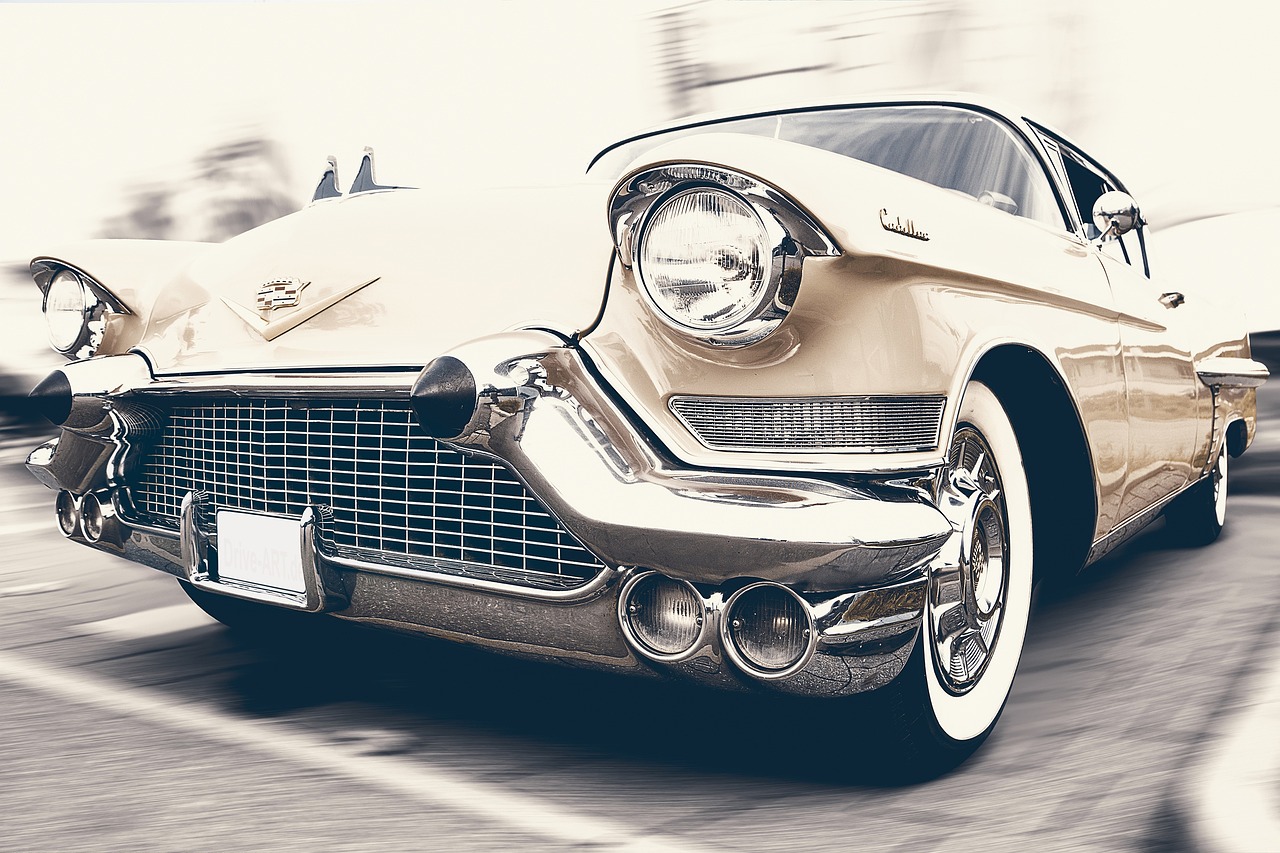
Picture this: cruising down memory lane in a vintage classic car that turns heads and fills your pockets with wealth. Investing in classic cars from the Beverly Hills Car Club is more than just a hobby – it’s a lucrative endeavor that savvy enthusiasts have mastered to generate wealth and passion simultaneously. In this article, we’ll dive into the exhilarating world of classic car investing and explore the top four ways experts leverage vintage automobiles to drive their financial success. Buckle up because we’re about to rev up the engine of knowledge and wealth creation!
Buy Low, Sell High
 One of the fundamental principles of classic car investing is to buy low and sell high. Experts keep a keen eye on the market trends, identifying undervalued classic cars with the potential for appreciation over time. By purchasing at the right price point and holding onto their investments until they reach peak value, investors can maximize their profits when selling. It’s all about timing, patience, and strategic decision-making to capitalize on the ever-evolving vintage car market.
Restoration and Preservation
Another strategy classic car investing experts employ is acquiring vehicles needing restoration, refurbishment, or preservation. By enhancing the condition and authenticity of a classic car through meticulous restoration work, investors can significantly increase its value and desirability among collectors. Restored classics command higher prices at auctions and in the resale market, making them a prime choice for those looking to generate wealth through vintage automobile investments.
Diversification and Portfolio Management
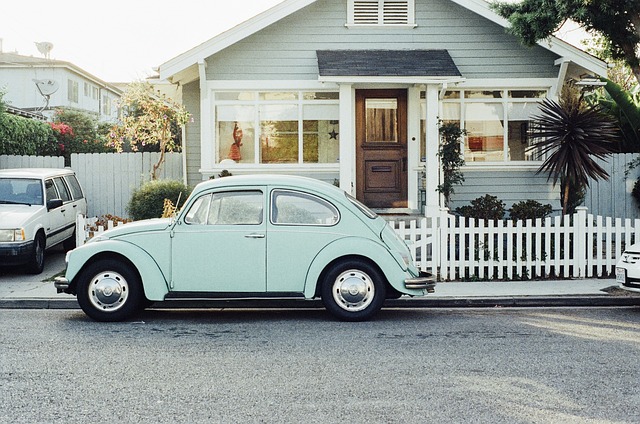
Like a well-rounded investment portfolio, successful classic car investors understand the importance of diversification and portfolio management. By spreading their investments across different makes, models, eras, and niches within the classic car market, experts mitigate risks and capitalize on various opportunities for growth and profit. Strategic portfolio management involves balancing high-value rarities with more accessible classics to create a diversified investment strategy that balances risk and return.
Networking and Industry Insights
 Building a solid network within the classic car community and staying connected with industry insiders are invaluable assets for investors looking to succeed in the vintage automobile market. Experts leverage their relationships and insights to gain access to exclusive opportunities, insider knowledge, and market trends that give them a competitive edge in their investment decisions. By staying informed, engaged and connected with the classic car industry, investors can stay ahead of the curve and make informed choices that drive their wealth-generation strategies.
By following these top four ways employed by experts in the field, you too can harness the power of classic car investing to drive your financial success and rev up your portfolio with timeless treasures that bring joy and prosperity in equal measure. So, hit the gas, explore the open road of vintage car investments, and embark on a thrilling adventure that combines passion, profit, and the artful pursuit of wealth through classic automobiles!…

 One of the most effective habits to save fuel is practicing smooth acceleration and deceleration. Avoiding sudden bursts of speed and hard braking not only reduces wear and tear on your vehicle but also optimizes fuel efficiency. Gradually accelerate by applying gentle pressure on the gas pedal and maintaining a steady speed whenever possible. Similarly, anticipate traffic conditions and allow the vehicle to decelerate naturally rather than braking abruptly. Smooth transitions minimize the energy required to move your vehicle, resulting in reduced fuel consumption.
 Planning your routes can help you avoid traffic congestion and unnecessary mileage and ultimately save on fuel consumption. Make use of navigation apps or websites that provide real-time traffic information to find the most efficient routes. By avoiding congested areas and choosing shorter distances, you can reduce the time spent idling or driving at low speeds, which often leads to increased fuel consumption. Saving on fuel consumption doesn’t always require expensive modifications or drastic lifestyle changes. By adopting these surprisingly simple driving habits, you can make a significant impact on your fuel efficiency, your wallet, and the environment.…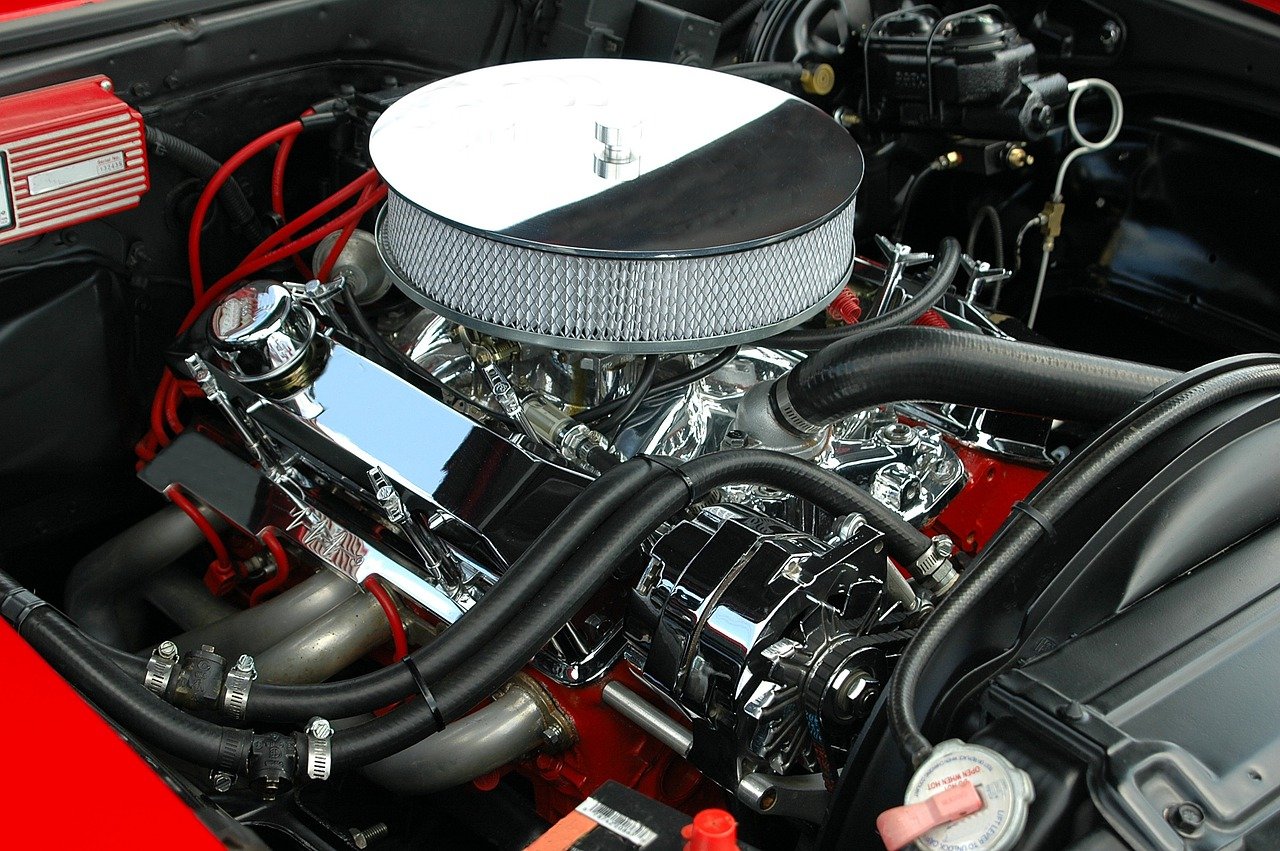
 The ignition system is responsible for providing the spark that ignites the air/fuel mixture in the engine’s cylinders. Over time, it can become fouled with deposits and need to be replaced. The Ignition timing can also become retarded, which can cause a loss of power. If you suspect that your ignition system may be the cause of your performance issues, have it checked by a qualified technician. Many people do not know this, but the ignition system is actually essential for the car engine’s performance. If you neglect it, it will surely affect the car’s performance.
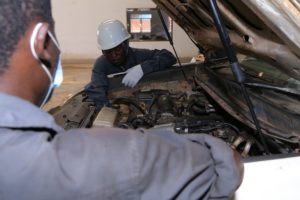 A vacuum leak can cause a loss of power because it allows unmetered air to enter the engine. This can affect the air/fuel mixture. A qualified technician can use a smoke machine to locate vacuum leaks. It is best to get it done by a professional to avoid any further problems. Many people try to fix it on their own, making the problem worse. This can cause more money to be spent on fixing the car. These are just some of the things that you can do to increase your car engine’s performance.
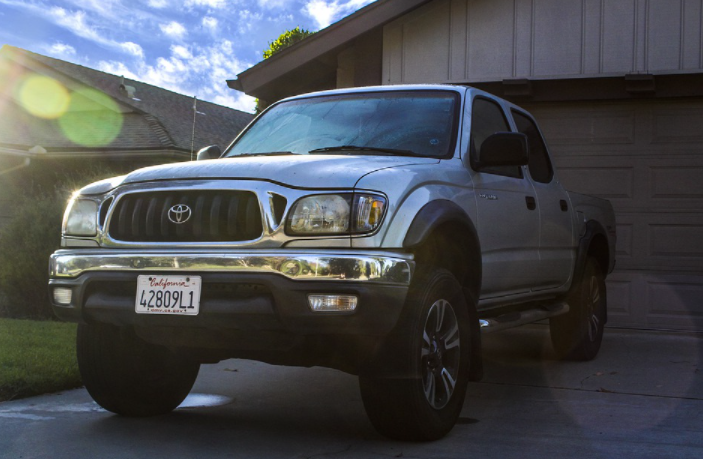
 You’ve had a look, and now it’s time to try it out. As you drive, get out on the road and listen to how the car performs. Evaluate your heating and air conditioning – do this at the extreme ends of this spectrum, especially air conditioning. Ensure the air purifier is producing fresh air and listening for the air conditioning compressor to turn on. Check your furnace’s fan motor: run it in all gears and listen for sounds. Smell the air coming out of the furnace vents: sometimes bugs can get trapped in the fan, causing loud noises and unpleasant smells.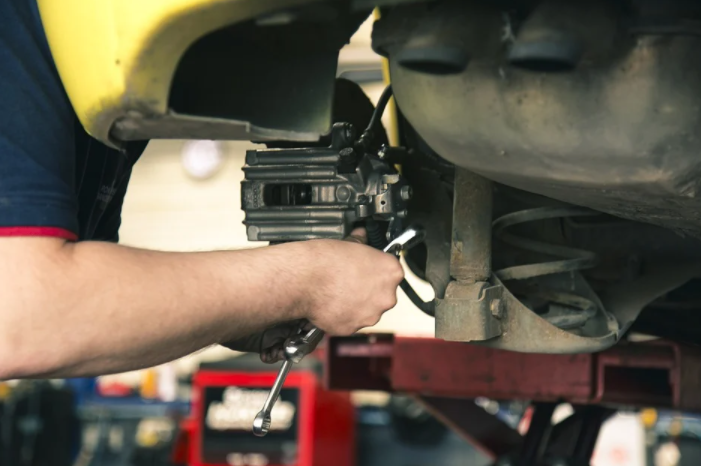
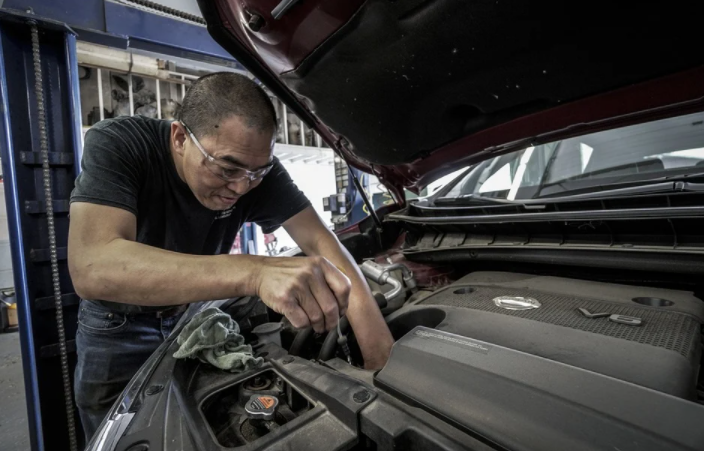
 Before creating your position, it would be much better to look at the coolant level to protect yourself from high-temperature problems that could cause the engine to overheat. When your car starts, the engine’s combustion process takes place, reaching thousands of points, especially in the combustion chamber, and then the engine runs. The radiator passes through the coolant compartment inside the engine and removes some of the heat. Passing through the various coolant or water chambers, it returns from the radiator and completes the vehicle’s cooling system. This is a combination of normal tap water and specially formulated coolant that protects the radiator from the so-called “scale” that can damage or clog it.