
Gearbox adapters are small but crucial components in custom car builds, engine swaps, and performance upgrades. A UK based Gearbox Adapter manufacturer often produces these precision parts, which bridge the gap between the engine and the transmission, allowing combinations that otherwise wouldn’t work. Installing them correctly is essential for smooth operation, efficient power transfer, and long-term drivetrain health. The wrong approach can lead to poor performance or costly repairs.
Rushing the Preparation Stage
One of the most common mistakes happens before the installation even begins. Skipping the inspection of both the engine and transmission surfaces can cause trouble later. Any dirt, corrosion, or uneven surfaces will prevent the adapter from sitting flush. This creates misalignment, which leads to vibrations or even damage to the gearbox. Taking the time to clean, measure, and check fitment ensures the adapter performs as intended.
Ignoring Proper Alignment
Alignment is everything when it comes to gearbox adapters. Even a small misalignment between the engine and transmission can cause excessive wear on bearings, gears, and seals. In worst cases, it can lead to complete gearbox failure. Many installers rely only on the mounting bolts to pull everything together, which is a mistake. Using alignment dowels or proper measuring tools helps maintain precise positioning and prevents unnecessary strain.
Overlooking Torque Specifications
Bolting the adapter in place might seem straightforward, but torque settings are not optional guidelines. Under-tightening can cause parts to shift under load. Over-tightening risks warping the adapter or damaging threads. Both situations compromise reliability. Always use a calibrated torque wrench and follow the manufacturer’s specifications to keep the connection secure and long-lasting.

Choosing the Wrong Materials or Adapter Type
Not all gearbox adapters are created equal. Some are designed for light-duty applications, while others are made for high-torque engines or motorsports use. Using an adapter that isn’t suited for the intended purpose can result in premature wear or outright failure. Material quality matters too. Aluminum offers lightweight, but it may not handle extreme stress as well as steel in certain setups. Selecting the correct part for your application is a step you can’t afford to overlook.
Forgetting About Clearance and Space
In some builds, especially engine swaps, space is tight. Forgetting to check for clearance around the gearbox adapter can create issues once everything is bolted in. Linkages, mounts, and even exhaust components may interfere. Discovering this after installation means more disassembly and wasted time. Planning ahead, measuring multiple times, and dry-fitting the adapter can prevent these headaches.
Skipping Test Runs and Adjustments
Once the gearbox adapter is installed, some builders move straight to regular driving. That’s risky. Skipping a careful test run means small issues like vibrations, noises, or shifting resistance go unnoticed until they cause real damage. Short, low-speed test drives followed by inspections allow you to make adjustments before pushing the car to its limits. It’s an extra step that protects your investment and ensures the setup is dialed in correctly.
Installing a gearbox adapter is not overly complicated, but it demands patience, precision, and attention to detail. Avoiding the mistakes above keeps your drivetrain healthy and your project on track. With careful preparation, proper alignment, and the right part for the job, you can enjoy smoother performance, longer component life, and fewer mechanical problems. Whether you’re working on a daily driver, track car, or custom build, the right approach will always pay off in the long run.…

 A performance exhaust system is one of the most popular upgrades for car enthusiasts. It enhances your vehicle’s sound and improves its overall efficiency. When you install a high-performance exhaust, you reduce backpressure in the engine. This allows for better airflow and noticeable gains in horsepower and torque. You’ll feel the difference every time you hit the gas.
 Upgrading your vehicle’s infotainment system opens up a world of connectivity and convenience. Modern systems come packed with features that enhance the driving experience significantly. Imagine seamless integration with your smartphone. You can access navigation apps and music libraries and even make calls without taking your hands off the wheel.
 One of the fundamental principles of classic car investing is to buy low and sell high. Experts keep a keen eye on the market trends, identifying undervalued classic cars with the potential for appreciation over time. By purchasing at the right price point and holding onto their investments until they reach peak value, investors can maximize their profits when selling. It’s all about timing, patience, and strategic decision-making to capitalize on the ever-evolving vintage car market.
 Building a solid network within the classic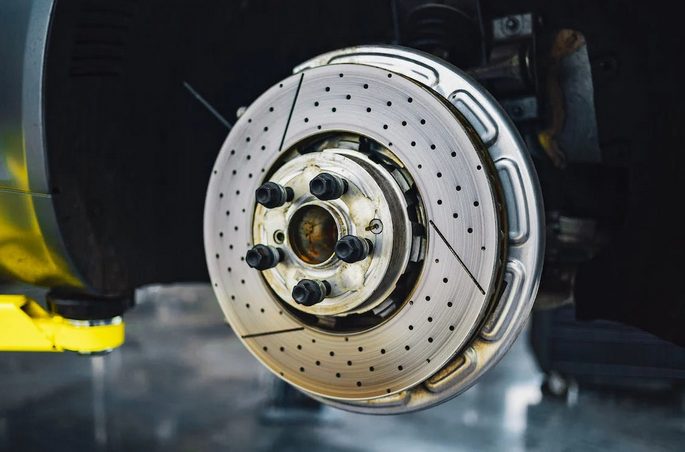

 The key advantage of replacing your car’s brake pads on time is that it helps reduce wear and tear on your vehicle. When brake pads become worn out, they can cause excessive stress on other braking systems components, such as rotors and calipers. By replacing your brake pads regularly, you ensure they are in optimal condition to provide effective stopping power without putting unnecessary strain on other parts. This extends the lifespan of your braking system and reduces the risk of more significant damage occurring down the line. Furthermore, when brake pads wear down unevenly or become too thin, it can decrease braking performance.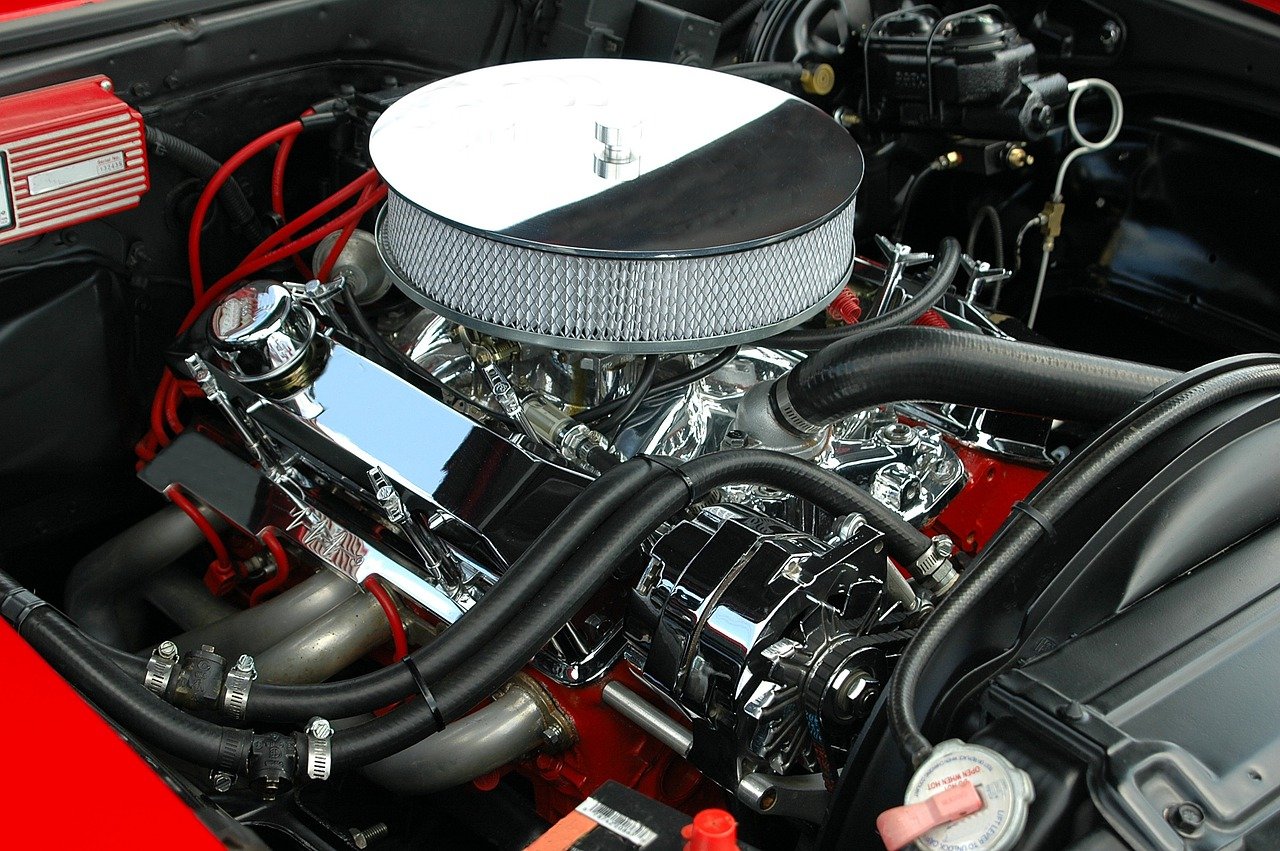
 The ignition system is responsible for providing the spark that ignites the air/fuel mixture in the engine’s cylinders. Over time, it can become fouled with deposits and need to be replaced. The Ignition timing can also become retarded, which can cause a loss of power. If you suspect that your ignition system may be the cause of your performance issues, have it checked by a qualified technician. Many people do not know this, but the ignition system is actually essential for the car engine’s performance. If you neglect it, it will surely affect the car’s performance.
 A vacuum leak can cause a loss of power because it allows unmetered air to enter the engine. This can affect the air/fuel mixture. A qualified technician can use a smoke machine to locate vacuum leaks. It is best to get it done by a professional to avoid any further problems. Many people try to fix it on their own, making the problem worse. This can cause more money to be spent on fixing the car. These are just some of the things that you can do to increase your car engine’s performance.
 There are many possible vibration sources, such as warped front rotors, hot spots (small defects) on your rotors caused by unnecessary heat, or brake pads. This brake pulse can be fixed relatively easily by having the rotors resurfaced (cheaper) or replaced (more expensive). You can replace the rotors if they are still thick. Each string contains a “minimum thickness” hole, typically molded into the rotor near the frog where the lug nuts are located. The rotor should be measured on the stage with a micrometer or caliper to determine whether it can be reworked.
 Distraction is one of the main causes of traffic accidents. Multitasking is a bad idea while driving. Phones, meals, noisy passengers, and anything that can distract attention from the road and reduce reaction time must be cut. You must remember that the activities of different drivers on the road can affect your safety. This allows you to respond if the vehicle in front of you stops suddenly.